Autonomous drone operations have been “almost ready” for years. Promises were big—but weather tolerance, regulatory friction, and fragile infrastructure meant most drone-in-a-box deployments stalled after pilot projects.
With DJI Dock 3, that narrative is starting to change.
This article explains what Dock 3 actually enables in the Australian context, who it’s genuinely suitable for, and where organisations most often make costly mistakes.
What Is DJI Dock 3 (and What It Is Not)
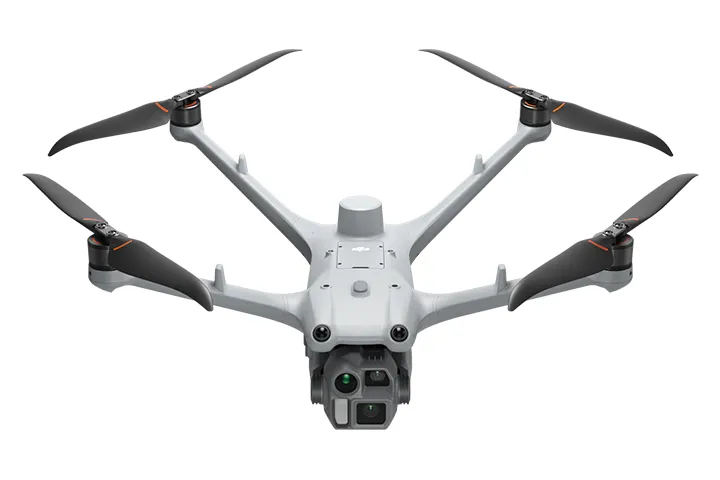
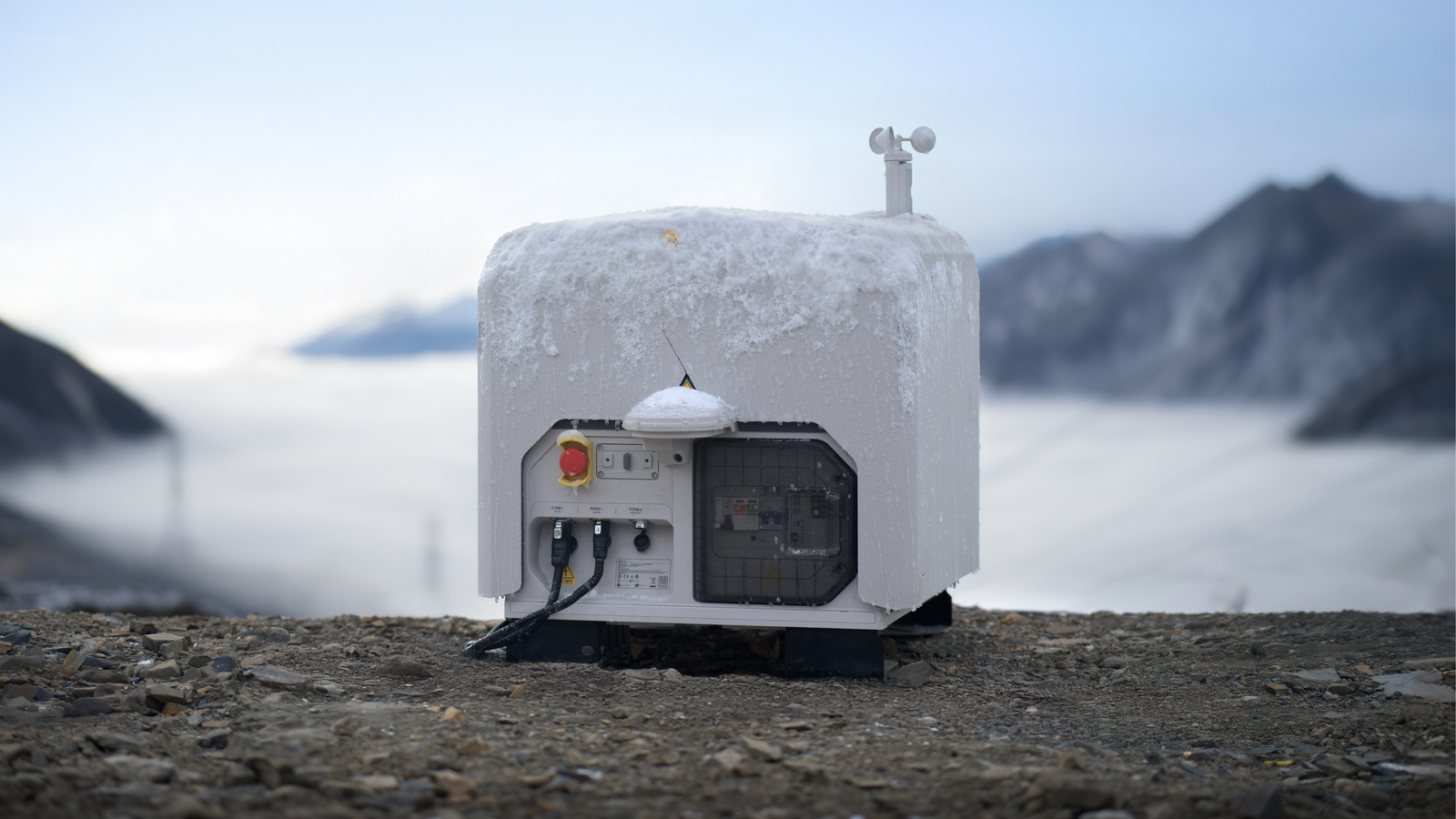
DJI Dock 3 is a fixed autonomous drone station designed to house, charge, and deploy enterprise drones without a human pilot on site. Missions can be scheduled, triggered remotely, or launched automatically in response to events.
What it is:
-
A force multiplier for repeatable inspections, monitoring, and response
-
A way to reduce labour, travel time, and operational latency
-
A platform designed for enterprise uptime, not hobbyist experimentation
What it is not:
-
A “set and forget” compliance solution
-
A shortcut around CASA approvals
-
A replacement for operational planning or internal capability
Dock 3 does not eliminate complexity—it centralises and professionalises it.
Dock 3 vs Dock 2: What Actually Changed
Many organisations skipped Dock 2 for good reasons. Dock 3 directly addresses several of those blockers.
Meaningful Improvements
-
Improved environmental resilience (temperature, wind tolerance, weather exposure)
-
Higher operational reliability for repeated daily flights
-
Tighter integration with DJI Enterprise aircraft and mission planning tools
-
Designed for true unattended operation, not supervised autonomy
The practical result: Dock 3 moves autonomous drones from “interesting trial” to “operationally defensible”—when deployed correctly.
The Australian Reality: Compliance Still Matters
This is where expectations often break.
In Australia, autonomous drone operations intersect with:
-
ReOC obligations
-
BVLOS approvals
-
Night operations
-
Operational risk assessments
-
Airspace coordination
-
Safety management systems
DJI Dock 3 does not bypass CASA.
Instead, it raises the bar. Regulators expect stronger documentation, clearer fail-safes, and demonstrable organisational competence.
Organisations that succeed with Dock 3 treat compliance as a parallel workstream, not an afterthought.
Where DJI Dock 3 Actually Makes Sense
Dock 3 excels in environments where repeatability and response time matter more than one-off flights.
High-Value Use Cases
-
Utilities & energy: substations, transmission corridors, solar farms
-
Emergency services: rapid situational awareness, perimeter monitoring
-
Mining & resources: remote asset inspection, environmental monitoring
-
Critical infrastructure: ports, logistics hubs, water assets
If your operation relies on:
-
Scheduled inspections
-
Known geofenced areas
-
Measurable downtime costs
Dock 3 can deliver real ROI.
Where Dock 3 Usually Fails
Most failures are not technical—they’re organisational.
Common Pitfalls
-
Buying hardware before defining operational outcomes
-
Underestimating compliance timelines
-
No internal owner for the drone program
-
Treating Dock 3 as an IT asset instead of an operational system
-
Ignoring insurance and liability structuring
Autonomous drones amplify both good strategy and bad decisions.
The Hidden Costs Most Vendors Don’t Mention
The dock itself is rarely the expensive part.
What actually drives cost:
-
Compliance development and approvals
-
Training beyond basic licensing
-
Integration with internal systems
-
Insurance structures for autonomous ops
-
Ongoing operational governance
These costs are not optional—but they are predictable when planned correctly.
So… Is Australia Ready for Autonomous Drone Operations?
Yes—but only for organisations prepared to do it properly.
DJI Dock 3 is a genuine step forward. It enables use cases that were previously impractical. But success depends far more on strategy, compliance, and capability than on the hardware itself.
Autonomy is no longer the limiting factor.
Execution is.
Considering DJI Dock 3?
Before purchasing, most organisations should answer three questions:
-
What operational outcome are we replacing or accelerating?
-
What approvals are required for our environment—not a demo site?
-
Who owns this program internally long-term?
Mirrormapper works with enterprises to assess feasibility, design compliant deployments, and structure procurement and financing correctly—before capital is committed.
If you’re evaluating DJI Dock 3, speak to a specialist before you buy.