How to Choose the Right Enterprise Drone Platform
A Practical Framework for Commercial and Government Buyers
Selecting an enterprise drone platform is no longer a question of “which drone is best.” It is a question of which system best fits your operational reality.
In 2025, enterprise drone programs fail or succeed not because of aircraft performance alone, but because of alignment across mission requirements, software, compliance, support, and scalability. This article outlines a practical framework we use at MirrorMapper to help organizations make confident, defensible procurement decisions.
Step 1: Define the Mission Before the Machine
The most common procurement mistake we see is starting with a product shortlist instead of a mission definition.
Before evaluating platforms, clearly document:
-
Primary use cases (inspection, mapping, SAR, monitoring, spraying, etc.)
-
Frequency of operation (ad-hoc vs continuous)
-
Environment (urban, remote, maritime, industrial)
-
Required payloads (RGB, thermal, LiDAR, multispectral)
-
Data outputs needed by stakeholders
A drone that excels at photogrammetry may be a poor choice for emergency response. A docked system optimized for automation may be unsuitable for dynamic field work. Context matters.
Step 2: Understand Platform Classes
Enterprise drones generally fall into four operational classes:
1. Portable Tactical Platforms
Used for rapid deployment, inspections, and flexible missions.
-
High mobility
-
Lower setup overhead
-
Operator-dependent performance
2. Heavy-Lift / Multi-Payload Platforms
Designed for advanced sensors and longer endurance.
-
Greater capability
-
Higher training and maintenance requirements
-
Strong ROI when fully utilized
3. Dock-Based Autonomous Systems
Built for scheduled, remote, or persistent operations.
-
Reduced Labour cost
-
Strong data consistency
-
Requires upfront planning and infrastructure
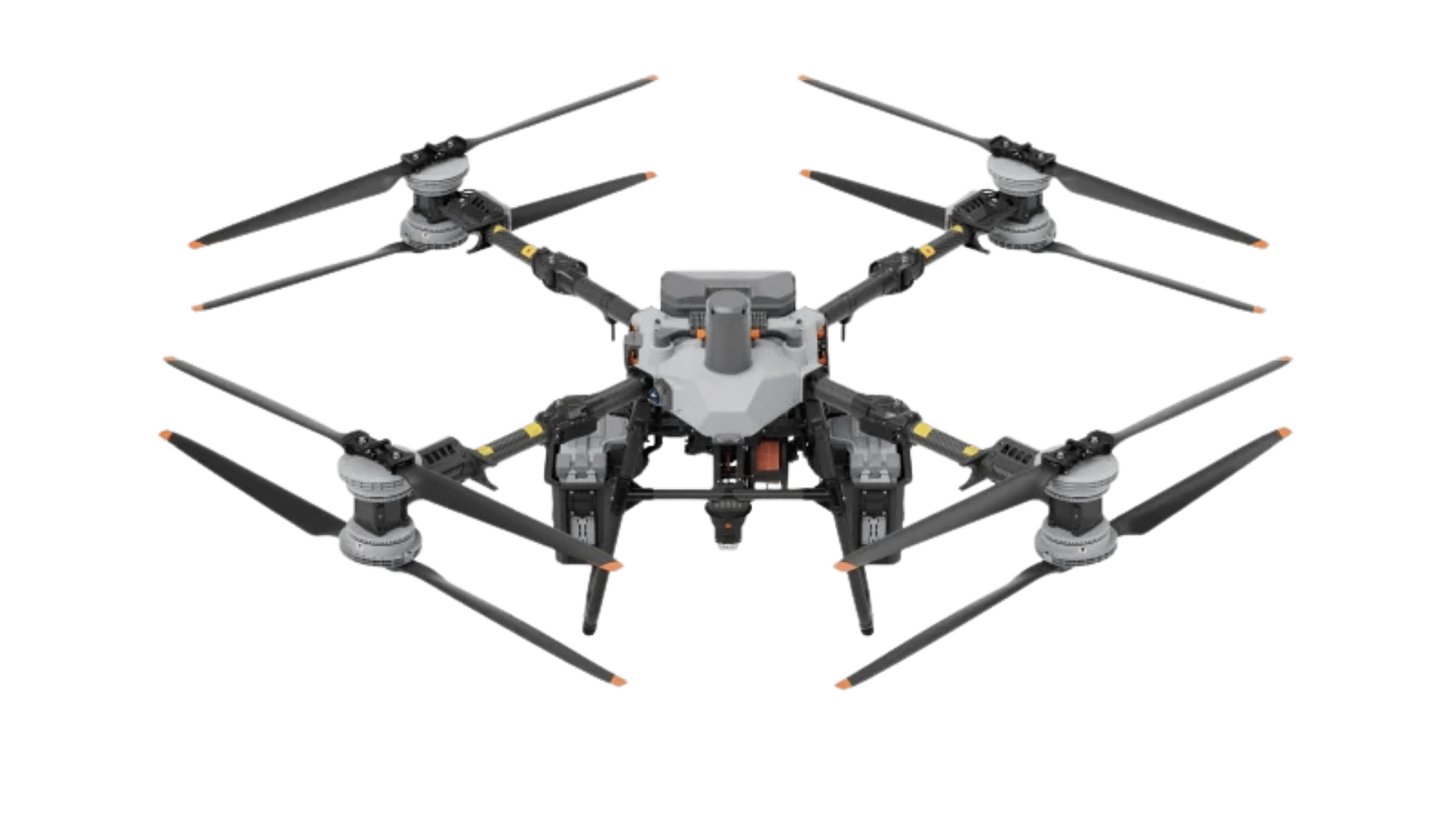
4. Specialized Platforms (Agriculture, Niche Ops)
Optimized for a single mission type.
-
Exceptional efficiency in narrow use cases
-
Limited flexibility outside core task
Choosing the wrong class is far more damaging than choosing the “wrong model.”
Step 3: Evaluate the Ecosystem, Not Just the Aircraft
An enterprise drone is not a standalone product. It is part of a broader ecosystem that includes:
-
Flight control and fleet management software
-
Payload compatibility and upgrade paths
-
Battery systems and charging infrastructure
-
RTK/GNSS support
-
API access and third-party integrations
-
Local technical support and spare parts availability
At scale, ecosystem limitations become operational bottlenecks. A cheaper aircraft with weak software support often costs more over time than a premium platform with strong integration.
Step 4: Factor in Compliance and Risk Early
In Australia, regulatory and risk considerations should influence platform choice from day one.
Key questions include:
-
Is the platform suitable for BVLOS or future approvals?
-
Does it support reliable redundancy and failsafe's?
-
How does it integrate with your safety management system?
-
Is local training and documentation available?
Procurement teams often underestimate how platform limitations affect compliance pathways later.
Step 5: Assess Total Cost of Ownership (TCO)
Upfront purchase price is only a fraction of the true cost.
Consider:
-
Training and onboarding time
-
Maintenance cycles and consumables
-
Downtime impact
-
Software licensing
-
Upgrade and expansion costs
-
Operational staffing requirements
Autonomy, docks, and software frequently deliver ROI not by flying better, but by reducing human and organizational overhead.
Step 6: Plan for Scale From the Start
Even if you are buying one aircraft today, plan as though you will operate ten tomorrow.
Scalable platforms:
-
Standardize workflows
-
Simplify training
-
Improve data consistency
-
Enable centralized management
Many enterprise drone programs stall because their initial platform choice cannot scale without a complete rebuild.
Final Thought: Fit Beats Features
The best enterprise drone platform is the one that:
-
Fits your mission
-
Fits your organization
-
Fits your future roadmap
At MirrorMapper, we routinely help organizations reassess platforms they already own and restructure deployments to extract better outcomes without unnecessary replacement.
Need Help Making the Decision?
If you are:
-
Comparing enterprise platforms
-
Planning a new deployment
-
Scaling an existing operation
-
Exploring docked or autonomous workflows
MirrorMapper provides independent procurement guidance, deployment consulting, and software solutions tailored to Australian conditions.
Remote sensing, done locally.