
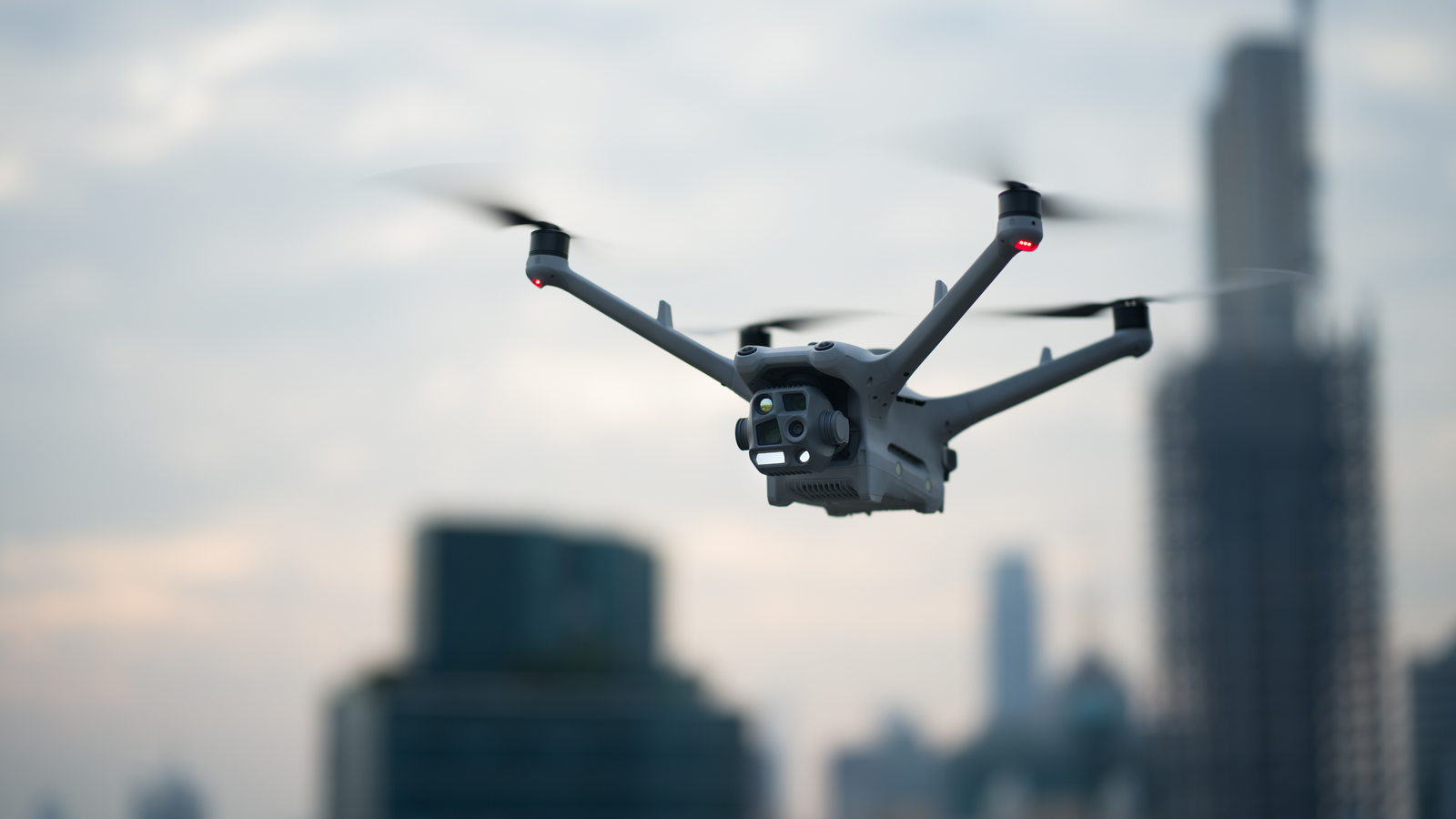
Enterprise drone programs rarely fail because the aircraft underperform.
They fail because the program was never designed to survive contact with reality.
Across utilities, mining, infrastructure, and government, the pattern is consistent: early enthusiasm, a successful pilot, initial executive support—and then stagnation. Within 12 months, many programs quietly stall, delivering limited value and attracting increasing scrutiny.
This article examines why most enterprise drone programs fail, and what organisations that scale successfully do differently.
Failure Starts Before the First Flight
Most drone programs are approved as technology trials, not operational systems.
Early decisions are often made with limited scrutiny:
-
Hardware is selected before outcomes are defined
-
Pilots are trained before governance exists
-
Compliance is deferred until “after the trial”
-
ROI assumptions are optimistic and untested
These shortcuts feel harmless early on. They are not.
They create structural weaknesses that surface as soon as the program attempts to scale.
1. No Clear Executive Ownership
Successful programs have a named executive owner accountable for outcomes.
Failed programs often sit:
-
Between departments
-
With a technical champion but no authority
-
Inside innovation teams without operational mandate
Without executive ownership:
-
Budgets become fragile
-
Compliance loses priority
-
Drone teams lack authority to integrate with operations
Drones become “interesting”—not essential.
2. Treating Drones as a Side Project
Drone programs fail when they are bolted onto existing roles without structural support.
Common signs:
-
Pilots flying “when time allows”
-
No formal scheduling or utilisation targets
-
Drones competing with core job responsibilities
In these conditions, utilisation drops, skills decay, and ROI evaporates.
Successful organisations treat drone operations as part of the job, not an extracurricular activity.
3. Buying Hardware Before Defining Use Cases
Many programs begin with the question:
“Which drone should we buy?”
The correct question is:
“Which cost, risk, or delay are we replacing?”
Without defined use cases:
-
Flights are opportunistic
-
Data lacks purpose
-
Value is difficult to measure
Hardware-first programs rarely progress beyond demonstrations.
4. Underestimating Compliance Effort
In Australia, compliance is not optional—and it does not scale automatically.
Programs stall when:
-
ReOC capability is thin
-
BVLOS planning is deferred
-
Documentation is reactive
-
CASA engagement is minimal
Retrofitting compliance is slower, more expensive, and more visible than designing it upfront.
5. Poor Utilisation and Unrealistic Assumptions
Many ROI models assume:
-
High flight frequency
-
Minimal downtime
-
Stable staffing
-
Instant approval pathways
Reality introduces:
-
Weather disruption
-
Competing priorities
-
Staff turnover
-
Approval delays
When utilisation drops, fixed costs dominate—and executives notice.
6. Data Without Decision Pathways
Drones generate data.
Value is created only when that data changes decisions.
Programs fail when:
-
Imagery is collected but not consumed
-
Outputs don’t align with existing systems
-
Decision-makers don’t trust or use the data
Without a defined decision pathway, drone outputs become digital clutter.
7. No Internal Capability Development
Training pilots is not the same as building organisational capability.
Programs falter when:
-
Knowledge sits with one or two individuals
-
Skills are not documented or transferred
-
There is no succession planning
When key staff leave, the program regresses—or collapses entirely.
8. Treating Risk and Insurance as Afterthoughts
As programs scale, so does exposure.
Insurance, liability, and risk management are often:
-
Poorly aligned to operations
-
Based on incorrect assumptions
-
Reviewed only after incidents
This creates hidden risk that undermines executive confidence.
What Successful Programs Do Differently
Programs that scale beyond 12 months share common traits:
-
Executive ownership with authority
-
Clearly defined, repeatable use cases
-
Conservative utilisation assumptions
-
Compliance designed for future scale
-
Data integrated into decision workflows
-
Capability built at the organisational level
-
Risk and insurance structured early
These programs are built as operational systems, not experiments.
A Simple Test for Program Health
If a drone program cannot answer the following questions clearly, it is at risk:
-
What cost, risk, or delay does this program replace?
-
Who owns outcomes at the executive level?
-
How often does the system realistically operate?
-
What approvals are required to scale further?
-
How is data used to make decisions?
If the answers are vague, failure is usually just delayed—not avoided.
Final Thought
Most drone programs don’t fail loudly.
They fade quietly—until budgets tighten or scrutiny increases.
Organisations that succeed treat drones as infrastructure, not innovation.
They design for scale from day one and accept that governance matters as much as technology.
Planning or reviewing a drone program?
MirrorMapper supports organisations with program design, ROI modelling, compliance strategy, training frameworks, and executive-ready advisory—to ensure drone programs survive beyond their first year and scale with confidence.


