
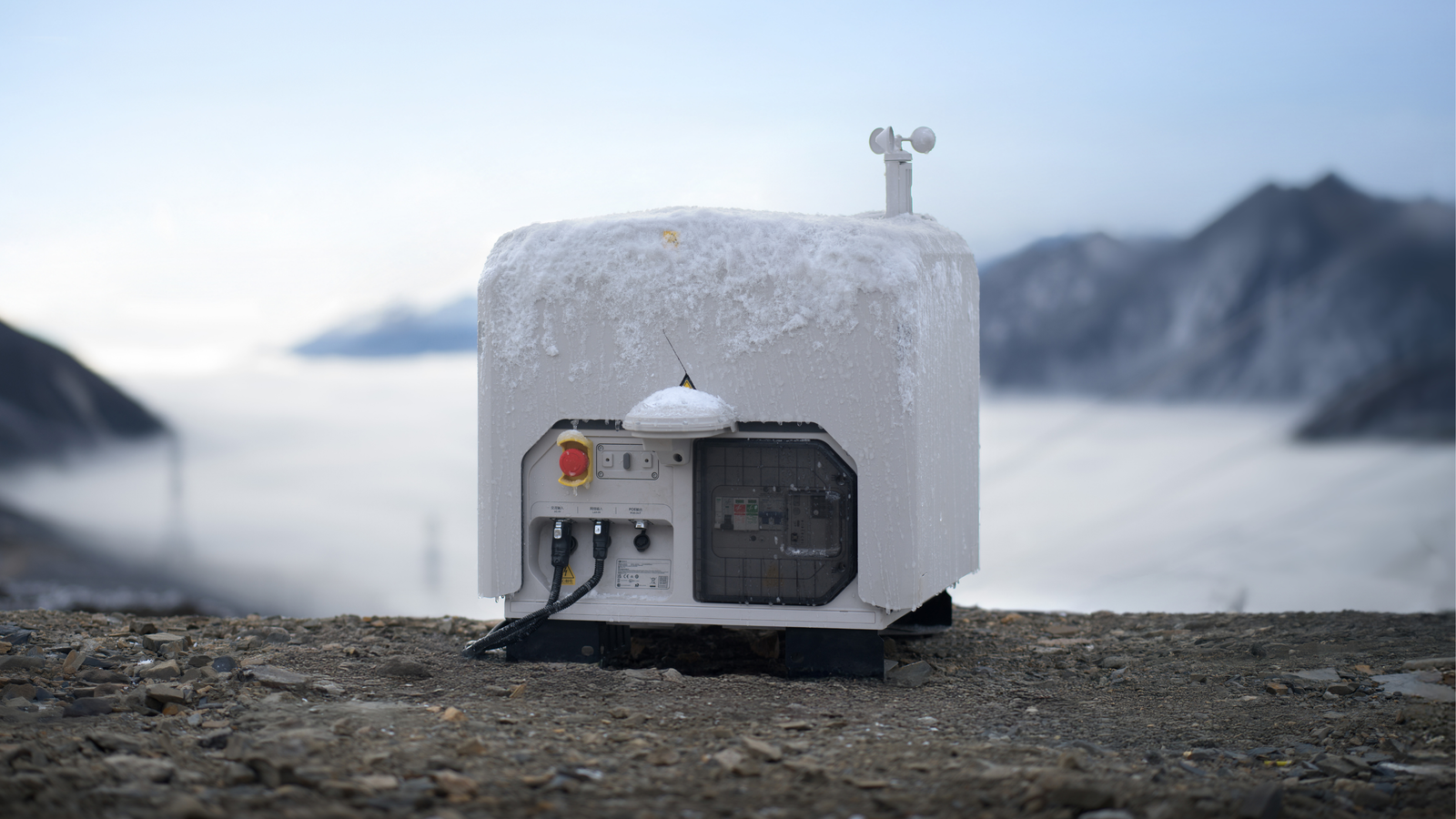
DJI Dock is often presented as a shortcut to autonomy. In practice, most failed deployments don’t fail because of the hardware - they fail because autonomy magnifies weaknesses that already exist.
This article explains the most common reasons DJI Dock programs stall, underperform, or are quietly decommissioned - and what successful operators do instead.
Failure Is Usually Structural, Not Technical
Featured Products


When docked drone programs fail, the post-mortem usually blames:
-
Weather
-
Connectivity
-
Regulations
-
“Immature technology”
In reality, these are symptoms, not causes.
The root causes are almost always:
-
Poor site selection
-
Weak governance
-
Unrealistic expectations
-
Missing infrastructure
-
No operational owner
1. The Site Was Never Actually Suitable
The most common failure point is deploying DJI Dock to a site that was never ready.
Typical issues:
-
Marginal take-off and landing geometry
-
Obstructions that only appear at certain headings
-
Poor GNSS visibility
-
Wind or turbulence underestimated
-
Flooding, dust, or debris ignored
Docked drones do not adapt like pilots do.
If the site is marginal, autonomy makes it worse.
2. Autonomy Was Treated as a Labour Replacement
Many programs are justified on the assumption that:
“The dock removes the need for people.”
It doesn’t.
What it removes is on-site piloting, not:
-
Oversight
-
Decision-making
-
Accountability
-
Incident response
Programs that fail often have:
-
No defined operator on duty
-
No response plan for aborted missions
-
No ownership of alerts or failures
Autonomy without ownership is not efficiency — it’s risk.
3. Connectivity Was Assumed, Not Engineered
Dock deployments frequently rely on:
-
“Usually reliable” mobile coverage
-
Shared corporate networks
-
Untested firewall rules
When connectivity drops:
-
Missions abort
-
Video feeds fail
-
Operators lose visibility
-
Confidence collapses quickly
Successful deployments treat connectivity as critical infrastructure, not a convenience.
4. RTK Was an Afterthought
RTK is often bolted on late — or treated as optional.
Common mistakes:
-
Using portable RTK at autonomous sites
-
Poor antenna placement
-
Ignoring multipath or interference
-
No redundancy planning
In docked operations:
RTK is infrastructure, not equipment.
Programs that ignore this rarely scale.
5. The Use Case Was Vague
Dock programs fail when the use case is:
-
“General monitoring”
-
“Seeing what we can do”
-
“We’ll figure it out later”
Autonomy rewards repeatability and predictability.
If missions are not:
-
Clearly defined
-
Scheduled or trigger-based
-
Tied to measurable outcomes
Then utilisation drops — and the dock becomes an expensive demo.
6. Governance Was Never Designed
Failed programs often cannot answer:
-
Who authorises flights?
-
Who monitors operations?
-
Who owns compliance?
-
Who responds to failures?
-
Who owns the data?
When something goes wrong, confusion becomes visible fast — especially to regulators and executives.
Governance gaps don’t show up in demos.
They show up in audits and incidents.
7. Expectations Were Set by Marketing, Not Reality
Autonomy is often oversold as:
-
Fully self-managing
-
Always available
-
Weather-agnostic
-
“Set and forget”
Real-world autonomy is:
-
Conditional
-
Conservative
-
Supervised
-
Infrastructure-dependent
Programs fail when leadership expects marketing autonomy, not operational autonomy.
What Successful DJI Dock Deployments Do Differently
Programs that succeed tend to share the same characteristics:
-
Sites are pre-qualified and conservative
-
RTK and connectivity are designed upfront
-
Oversight roles are clearly defined
-
Missions are narrow, repeatable, and valuable
-
Autonomy is treated as an operational tool, not a magic feature
They scale slowly — and deliberately.
A Simple Rule of Thumb
If your organisation struggles with manual drone operations, autonomy will not fix it.
Docked drones amplify maturity.
They also amplify immaturity.
Mirrormapper’s Take
Most DJI Dock deployments don’t fail because DJI Dock is flawed.
They fail because:
-
Autonomy was deployed before structure
-
Infrastructure was assumed, not engineered
-
Responsibility was implied, not assigned
DJI Dock works extremely well - when the organisation is ready for it.
The fastest way to kill a dock program is to treat it like a gadget.
The fastest way to succeed is to treat it like infrastructure.


